Madrid Metro: map, lines and stations
Independent guide to the Madrid Metro: its 12 lines, the Ramal and the ML1 light-rail line, with 249 separate stations, first and last train times, fares and a route planner.
Service status
Madrid Metro status
Service status · based on the published timetable
Pinar de Chamartín – Valdecarros
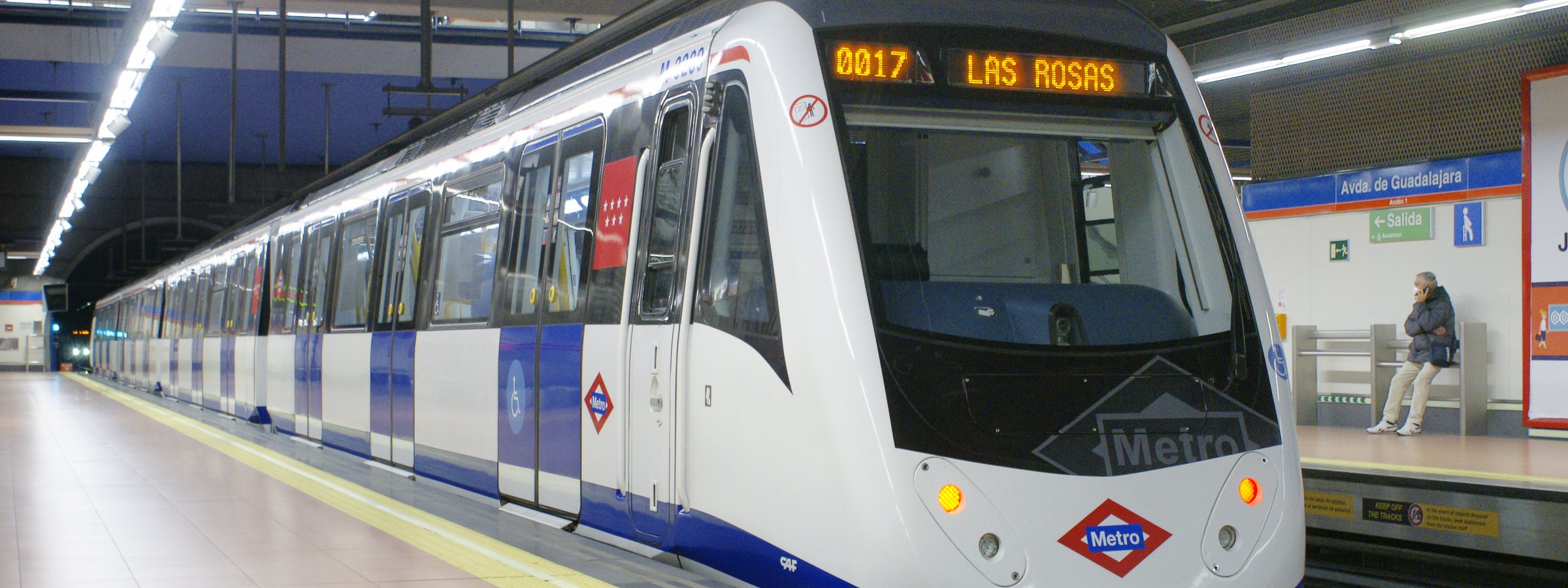
Las Rosas – Cuatro Caminos
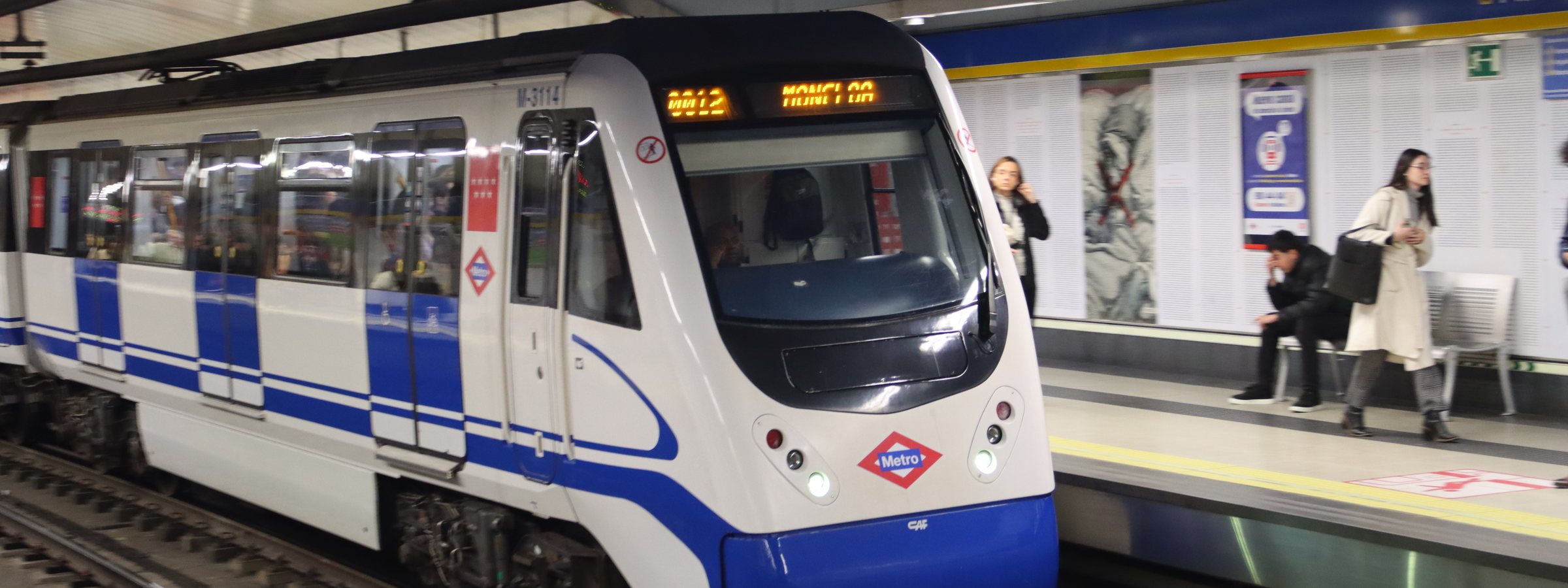
El Casar – Moncloa
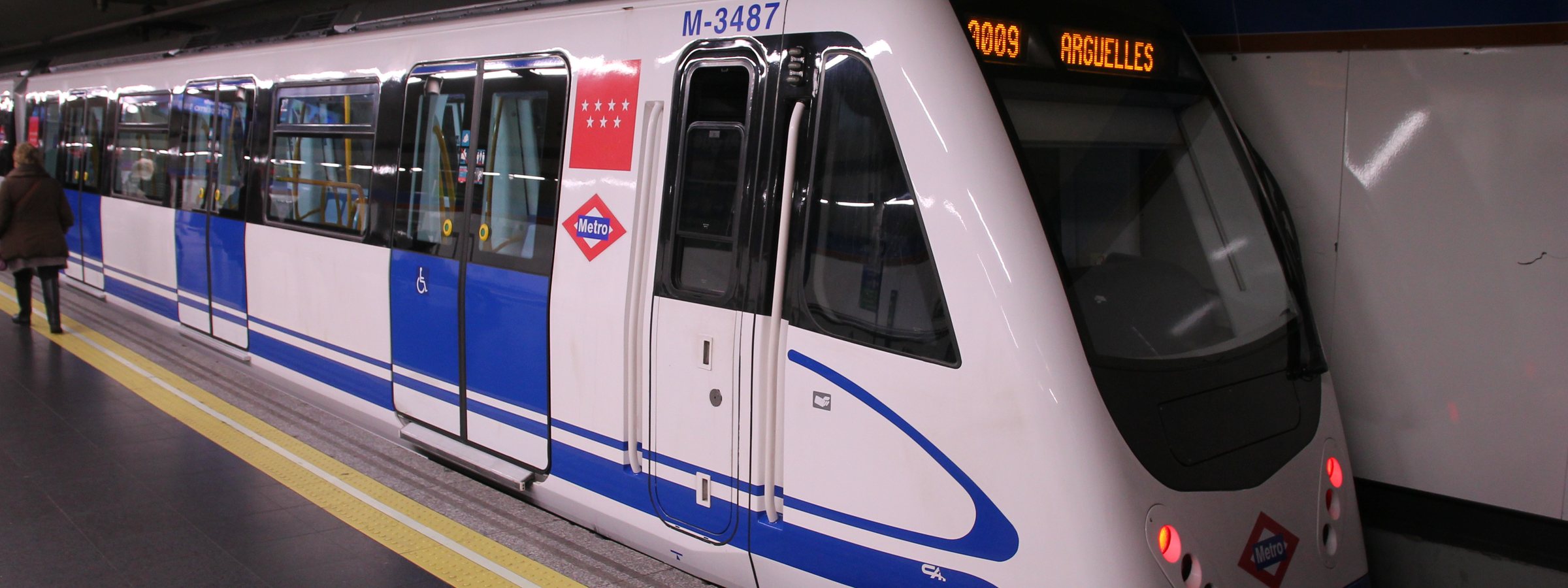
Argüelles – Pinar de Chamartín
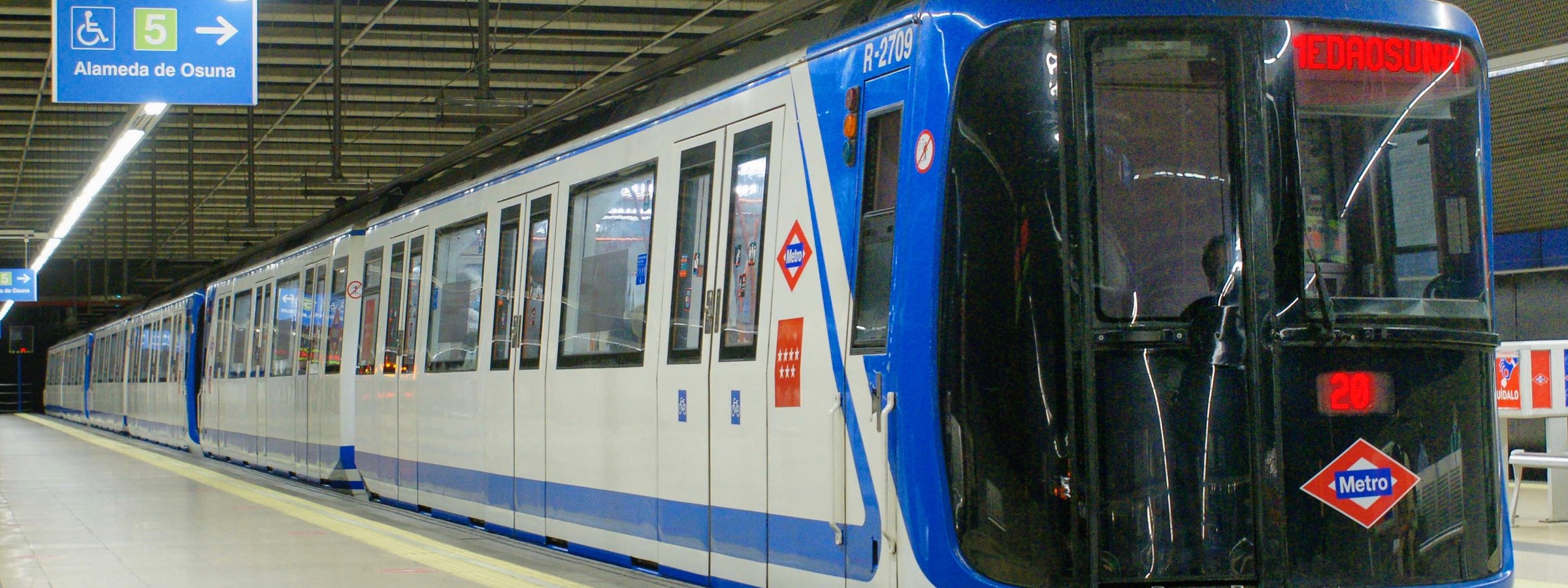
Alameda de Osuna – Casa de Campo
circular line
Estadio Metropolitano – Pitis and Hospital del Henares – Barrio del Puerto
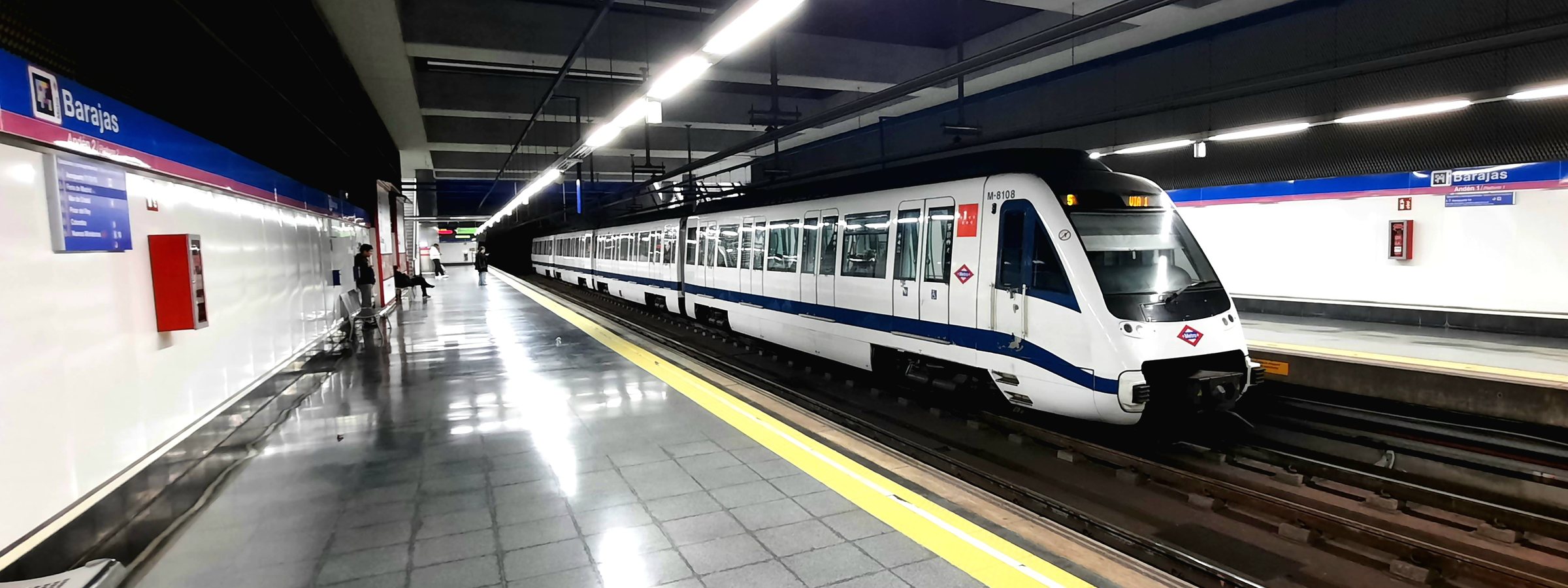
Nuevos Ministerios – Aeropuerto T-4
Paco de Lucía – Puerta de Arganda and Rivas Urbanizaciones – Arganda del Rey
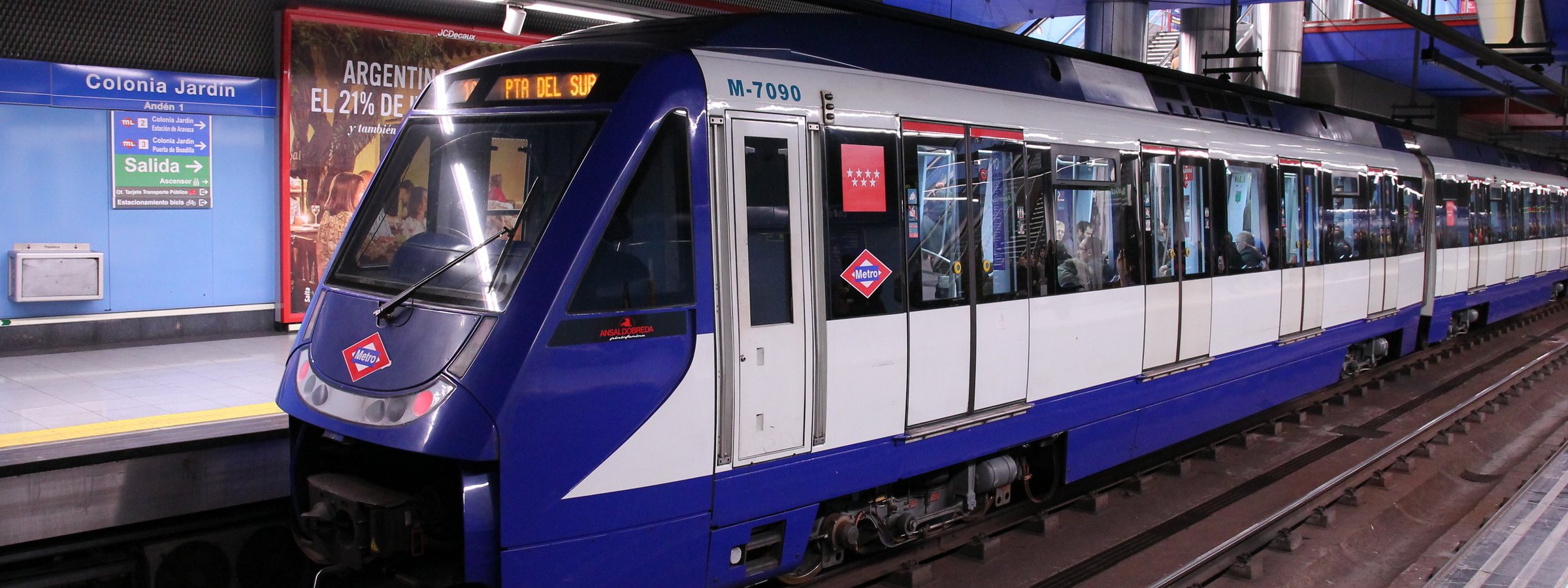
Tres Olivos – Puerta del Sur and Hospital Infanta Sofía – Montecarmelo · no service between Nuevos Ministerios and Cuzco, and Santiago Bernabéu closed, for works (Metro de Madrid, 20 October 2026); a free replacement bus runs
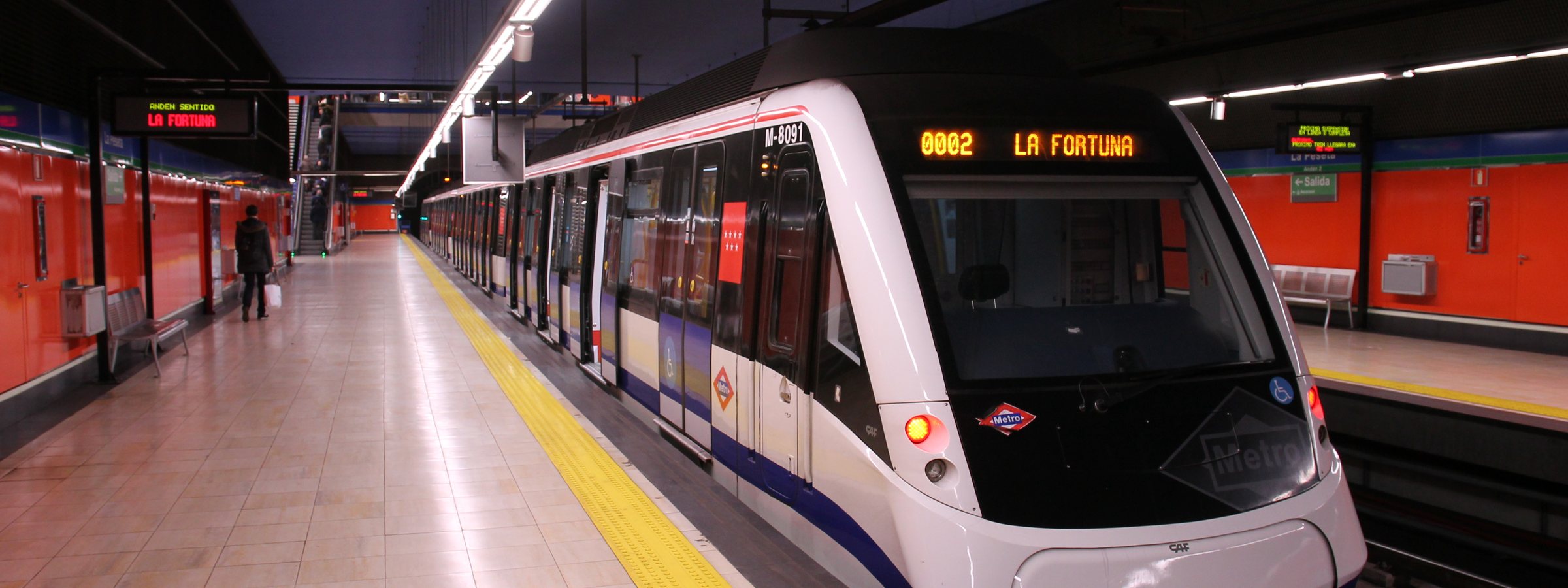
Plaza Elíptica – La Fortuna
circular line
Ópera – Príncipe Pío
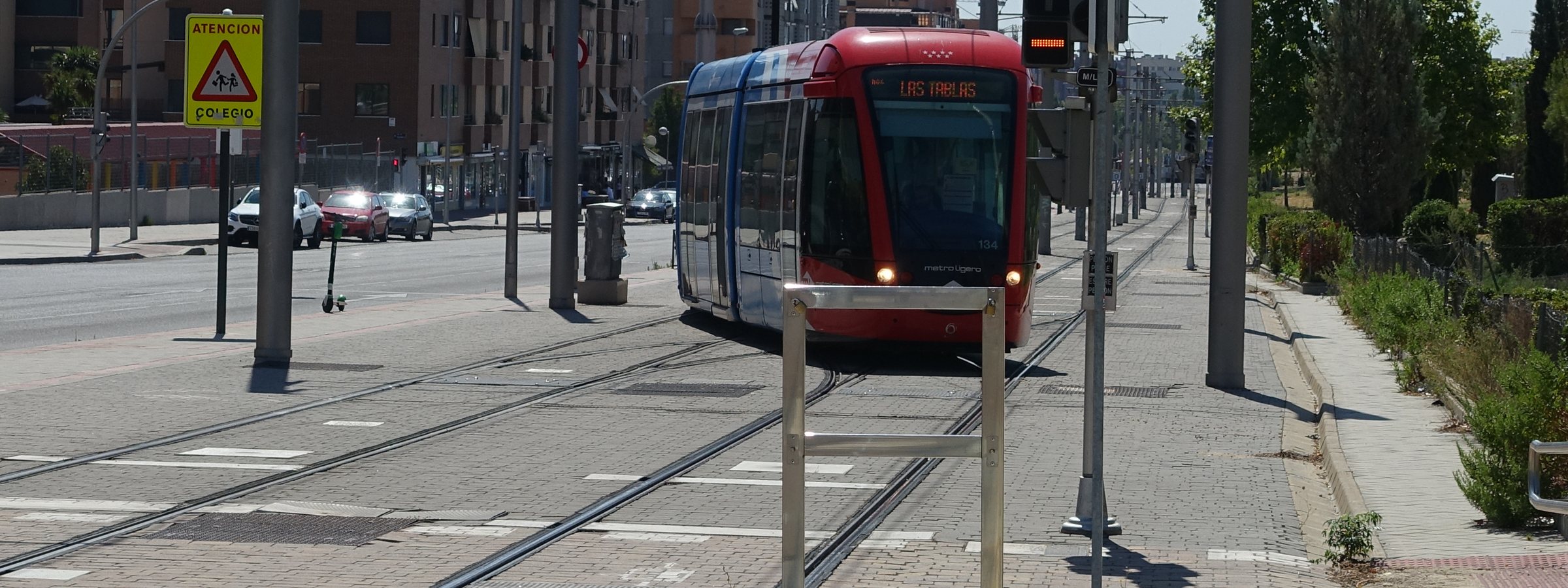
Pinar de Chamartín – Las Tablas
The Madrid Metro lines
Each line has its own page with the stations in order, their interchanges and its history.


The Madrid Metro in figures
The network has 12 metro lines and the Ramal (the Ópera–Príncipe Pío shuttle), plus Metro Ligero 1, which Metro de Madrid also runs. This guide has 249 separate stations (242 without the Metro Ligero): a station where several lines cross, such as Sol or Avenida de América, counts only once. That count matches the one from the Consorcio Regional de Transportes de Madrid (CRTM), the regional transport authority, which publishes a figure of 242 «network stations» for the 12 lines and the Ramal. In its official figures Metro de Madrid gives 303 stations and 296.78 km of network, a higher number because it counts each station by line and service section.
The first line opened on 17 October 1919 between Sol and Cuatro Caminos. Today the metro reaches 11 municipalities of the Comunidad de Madrid besides the capital, with MetroSur as the large ring line in the south.
This website does not belong to Metro de Madrid: it is an independent guide that takes the information published by the operator and the open data of the CRTM and turns it into a page for each station and each line.
Popular journeys
Time on the train between stations, plus about 4 minutes per change.